
A Realistic Guide to Hair Extension Maintenance
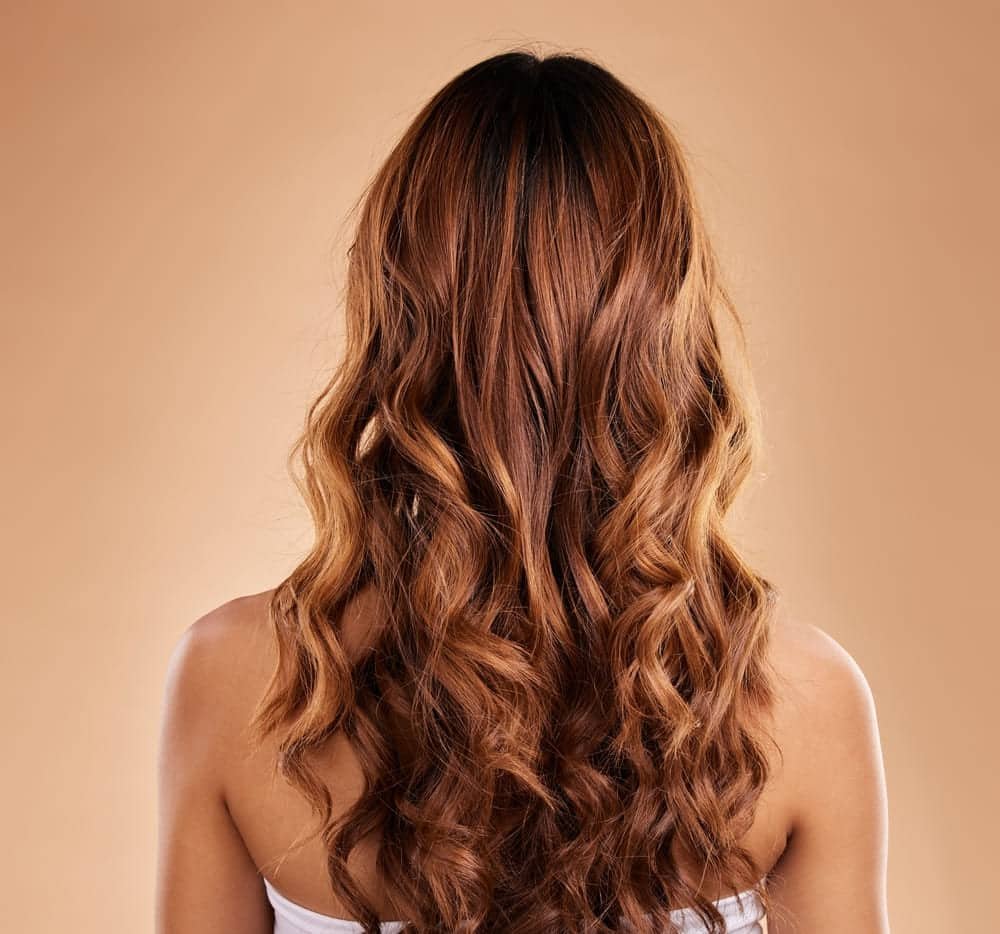
Believe it or not, but your precious hair extensions can decline in quality slowly.
One wash where you rushed. One night, you slept with damp hair. One extra pump of serum because your hair felt too dry. And now, before you even realized it, the shine has begun to fade, the ends tangle faster, and suddenly you’re wondering if extensions were a mistake.
Well, they are generally not. But having unrealistic expectations is.
That is why we’ve cooked up this guide to help them last well. And more importantly, help you enjoy them instead of babysitting them.
So, let’s get into it.
How to Take Care of Your Hair Extensions
Here’s all you need to know about hair extension maintenance:
1. Start Maintenance Before You Leave the Salon
Most people think maintenance begins at home. It doesn’t. It begins in the chair at your hair care salon. According to recent research, improper installation is one of the top three reasons for premature hair extension failure, right alongside overwashing and heat damage.
So give consideration to three things when you have your hair extensions installed:
- Weight distribution (remember, too many extensions in one area equals to tension plus matting)
- Placement (especially around the crown and hairline)
- Density matching, not just length matching
If your natural hair extensions feel heavy, tight, or overly “full” on day one, maintenance will always be harder. There should be no pulling, no pressure, or even hair that blends.
2. Wash Your Hair Extensions Less Frequently
This is where most damage usually occurs. A survey found that frequent washing increases cuticle erosion significantly, even in untreated hair and extensions that are already processed feel that impact sooner.
So, for most people, 2 washes a week is enough…3 if you sweat heavily. Daily washing almost always shortens the lifespan of a human hair extension.
Pre-wash detangling also matters more than shampoo choice. Scrubbing the scalp aggressively doesn’t make hair cleaner; it makes roots messy and extensions looser. Condition from mid-lengths downward only. Plus, conditioner near bonds or tapes is a slow invitation to slippage.
3. Dry & Style Them Properly to Avoid Damage
This tip is for when you are done washing them. Wet extensions are vulnerable. More than you think. Hair fiber studies published in the Journal of Cosmetic Science show that hair is weakest when swollen with water. Extensions don’t bounce back as well as natural hair when stretched in this state.
So, here are a few rules to keep in mind while that can give new life to your hair extension:
- Never twist or wring hair in a towel
- Always dry roots first
- Blow-dry downward, not sideways
- Heat tools aren’t evil, but excessive heat is
That being said, here’s a fun fact: celebrity stylists almost never air-dry extensions. Not because they love heat, but because controlled drying causes less friction and matting long-term.
4. Carefully Brush, Detangle & Handle Them Every Day
Most shedding is simply breakage in disguise.
So, detangle when hair is dry or slightly damp… never when it’s dripping wet. Start from the ends, move upward, and slow down near attachment points. Aggressive brushing near the roots weakens bonds over time. Tools matter, but habits matter more.
5. Limit Sweat, Oil & Environmental Stress
Sweat doesn’t damage extensions directly. What it does is loosen bonds, attract dirt, and create friction.
So, if you work out frequently, remember to do three things:
- Dry your scalp post-workout
- Don’t tie your hair tightly when it’s sweaty
- Wash when the buildup starts, not when the hair looks oily
Climate plays a role, too. Humidity causes cuticles to swell. AC air dries them out. This is why extensions often behave differently across seasons, especially in coastal or monsoon-heavy regions.
6. Decrease Your Hair Product Use
This might sound counterintuitive, but most extensions don’t die from dryness. They die from product overload.
Extensions are often coated with silicone for initial shine. Layer too many oils, masks, and creams on top, and you get buildup rather than the nourishment you are expecting.
So, if your extensions feel sticky instead of smooth, soft but lifeless, or even shiny but tangled, you’re probably using too much hair product, dear.
7. Sleep With Care
Nighttime is when silent damage happens.
Tossing, turning, and friction weaken extensions faster than daytime styling. Sleep with hair loosely braided or tied in a low ponytail. Silk pillowcases reduce friction, but they’re not magic. Technique still matters.
And never sleep with wet hair. Ever. That’s never a suggestion.
8. Make Maintenance Appointments
Skipping maintenance doesn’t save money.
Professional repositioning prevents matting, reduces breakage, and protects your natural hair. Most methods need attention every 6–8 weeks, depending on growth and lifestyle.
Stylists can assess tension, shedding, and wear. This is often where small issues are caught before they become irreversible.
9. Know When It’s Time to Let Go
All extensions have a lifespan. Pretending otherwise leads to frustration.
Here are a few signs to know it’s time:
- Excessive tangling despite good care
- Thinning ends
- Texture mismatch, you can’t style away
Emotionally, letting go is harder than expected. But removing extensions on a good day always feels better than waiting until everything looks out of place.
To Conclude
Hair extension maintenance is mostly about awareness rather than perfection.
You don’t need a shelf full of products or a complicated routine. You need a few good habits repeated consistently. Extensions reward restraint. The less you fight them, the better they behave.
Treat them well, and they’ll become the key to an unwavering confidence. And at Advance Clinic, we offer you just that. Be it our hair extensions in Connaught Place, New Delhi, or Chandigarh, we offer exceptional service along with quality products.
So visit our hair care salon today or contact us to book your free consultation.
FAQs
1. How long do hair extensions realistically last?
- With good care, quality extensions last anywhere from 6 months to a year, depending on type and usage.
2. Is shedding normal?
- Yes. Some shedding is expected. Excessive shedding usually points to breakage or rough handling.
3. Can I oil my hair extensions?
- Lightly, occasionally, and only on the lengths. Never near attachment points.
4. Are expensive extensions easier to maintain?
- They’re more forgiving but not indestructible. Technique still matters.
5. Can I swim with hair extensions?
- Yes, but rinse immediately afterward. Salt and chlorine accelerate dryness.
6. Do extensions damage natural hair?
- Poor installation and neglect do. Properly installed and maintained extensions generally don’t.
7. What’s the biggest maintenance mistake?
- Overwashing and over-conditioning are usually considered together the biggest maintenance mistakes.