
10 Everyday Habits That Are Damaging Your Hair
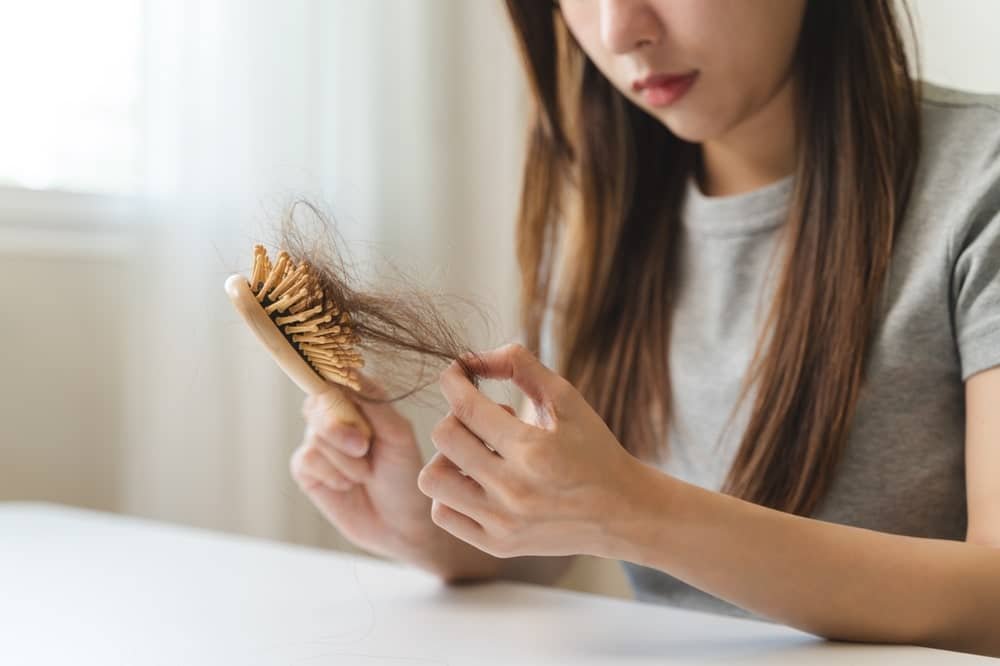
If you think that genes, weather, and bad luck are the reasons for your dull, weak, and thinning hair, then this blog is for you. You might be doing these habits every day, without even realizing that they are damaging your hair. These everyday routines gradually chip away at your hair’s strength, shine, and elasticity until one day you notice breakage, frizz, or hair fall that seems to happen out of nowhere.
But these are really easy to fix if you know the root cause. So no matter if you’re trying to grow your hair longer, keep it smooth, or prevent long-term damage, becoming aware of these small slip-ups can help keep your hair health top-notch.
That being said, here are everyday mistakes that silently sabotage your hair, and what to do instead.
Habit 1: Overwashing Your Hair
Over-shampooing often destroys the oils inside your hair that keep it moisturized and protected. When these oils get destroyed, the scalp panics and produces even more oil, making your hair greasy fast, resulting in both dryness and oiliness, a frustrating combination.
The fix is that you try to wash just 2–3 times a week. If you feel gritty in between, a simple water rinse or a very mild co-wash can freshen things up without stripping your scalp.
Habit 2: Using Hot Water for Showers
A steaming hot shower feels great, but, believe it or not, your hair doesn’t appreciate it. Hot water opens the cuticle, the outer layer of the hair made up of cells, too much, leaving it rough and prone to damage, frizz, and dryness.
The fix? Turn the knob down to lukewarm when washing your hair. If you can handle it, finish with a cool rinse to seal the cuticle back down for extra shine.
Habit 3: Brushing Wet Hair Aggressively
Your hair is at its weakest when it’s wet. When you force a brush through, the strands stretch far beyond their limit. This damage is even more common if you have curly, fine, or chemically treated hair.
So, ditch the brush for a wide-toothed comb on damp hair. Always start detangling from the very ends and slowly work your way up to the roots to avoid creating knots.
Habit 4: Heat Styling Without Heat Protectant
Straighteners, curlers, and blow dryers can reach temperatures even hotter than a cooking pan. Without heat protectants, your hair absorbs that heat directly, which weakens the cuticle and causes damage over time.
That is why you should always apply a heat protectant spray or serum every single time. Also, try keeping your tools on a medium setting rather than cranking them to the max.
Habit 5: Tight Hairstyles Every Day
Hairstyles like high ponytails, tight braids, and sleek buns can pull on your roots, and constant tension can cause alopecia, hair loss caused by constant strain on the follicles (pores that surround the root and strand of hair).
So, try to give your roots a break by wearing looser styles, or simply wearing your hair down, for a few days a week.
Habit 6: Sleeping on Cotton Pillowcases
Cotton pillowcases or cotton in general absorb moisture and create friction, leading to frizz, dryness, and split ends. If you toss and turn, the damage increases.
An easy fix to this everyday hairfall problem is that you switch to a satin or silk pillowcase. It allows your hair to glide effortlessly over the fabric, reducing breakage and keeping that hydration where it belongs.
Habit 7: Skipping Conditioner or Using It Incorrectly
We all know applying conditioner isn’’t optional. It restores moisture, smoothens the cuticle, and prevents tangles. But many people either skip it or slather it onto the scalp, leading to buildup or oily roots.
That is why you should focus your conditioner strictly on the mid-lengths down to the ends. Let it sit for 2–3 minutes, so it actually has time to soften the hair before rinsing.
Habit 8: Using the Wrong Hair Products
Using products meant for different hair types, like heavy oils on thin hair, creates long-term issues. Wrong products can clog follicles, cause build-up, or make hair brittle.
However, the fix for this is really easy. Get to know your hair porosity and texture. Don’t just follow trends. Pick formulas that cater to your specific needs.
Habit 9: Ignoring Scalp Health
If the soil (your scalp) isn’t healthy, the plant (your hair) won’t grow. Blocked follicles literally suffocate the root. Cleansing, hydration, and proper care. Dandruff, buildup, and clogged follicles weaken hair roots and slow growth.
So, incorporate a scalp massage into your weekly routine to boost blood flow. If you have persistent dandruff or itching, see a specialist.
Habit 10: Poor Diet & Low Water Intake
Your hair is made of protein, so if your diet lacks iron, protein, zinc, or vitamins, your hair will show it. Dehydration also leads to dullness and dryness. Load up on protein-rich foods like eggs, nuts, and greens, and drink your water.
Other Habits That Also Damage Hair
Sometimes small habits add up and silently harm your hair without you noticing. Here are a few of them:
- Overusing Dry Shampoo: It clogs pores and irritates the scalp if used too frequently.
- Towel Drying Aggressively: Rubbing your hair with a towel causes friction and breakage.
- Not Trimming Regularly: Split ends travel upward and damage healthy lengths.
- Smoking & Alcohol: Both reduce blood flow to the scalp and affect nutrient absorption.
- Going to Bed with Wet Hair: Wet hair and pillow friction cause breakage, frizz, and fungal issues.
How to Reverse the Damage
Repairing damaged hair takes patience, but it’s absolutely possible with consistent care.
- Start a Strengthening Routine: Use products containing keratin, proteins, or amino acids to rebuild damaged strands.
- Deep Condition Weekly: A hydrating mask once a week makes a significant difference in softness and elasticity.
- Reduce Heat Usage: Give your hair at least two heat-free days per week.
- Nourish Your Scalp: Use gentle oils, exfoliating scrubs, or scalp tonics to maintain a healthy environment.
- Trim Every 8–12 Weeks: This prevents split ends from spreading and keeps your hair looking healthier.
- Protect Your Hair Outdoors: Pollution, UV rays, and dust can harm your strands. Use scarves, hats, or leave-in serums with UV protection.
Final Thought
Most hair damage comes from the routine habits we barely notice. The good news is that once you recognize these patterns and shift toward healthier alternatives, your hair will immediately begin to recover. You don’t need expensive products or complicated routines; small, consistent changes make the biggest difference. Treat your scalp well, nourish your body, and be gentle with your hair.
But sometimes, as it happens, no matter how much you care for your hair, hair loss becomes permanent. In such cases, Advance Clinic offers the perfect solution to keep your confidence as it was before. We offer hair patch in Connaught Place, New Delhi, along with hair wigs and chemo wigs, so that you can preserve your look and beauty.
So, book your consultation at our premium hair care salon today.
FAQs
1. How do I know if my hair is damaged?
- Look for signs like split ends, rough texture, excessive frizz, dryness, breakage, or hair that snaps easily.
2. Is it okay to use heat tools daily?
- Honestly? Not really. Daily heat doesn’t give your hair time to recover. Try to save the hot tools for special occasions or weekends
3. How many times a week should I wash my hair?
- Most people do well with 2–3 washes per week, depending on scalp type.
4. Can daily oiling damage my hair?
- Yes. Too much oil clogs the scalp, attracts dust, and requires harsh shampooing that strips moisture.
5. Do hair products cause hair fall?
- Only if they clog follicles, contain harsh chemicals, or don’t suit your hair type.
6. Does air pollution cause hair damage?
- Yes. Dust, toxins, and grime weaken both your scalp and strands.
7. How long does it take to repair damaged hair?
- Depending on the severity, 1–3 months of consistent care can show visible improvements.